
OEE and bottleneck evidence
Define good output, trace losses and identify the constraint before sizing a new line or modifying an existing one.
Plan the measurementWe integrate filling, capping, labelling, conveying and end-of-line machinery into one practical line for your output, floor space and future plans.
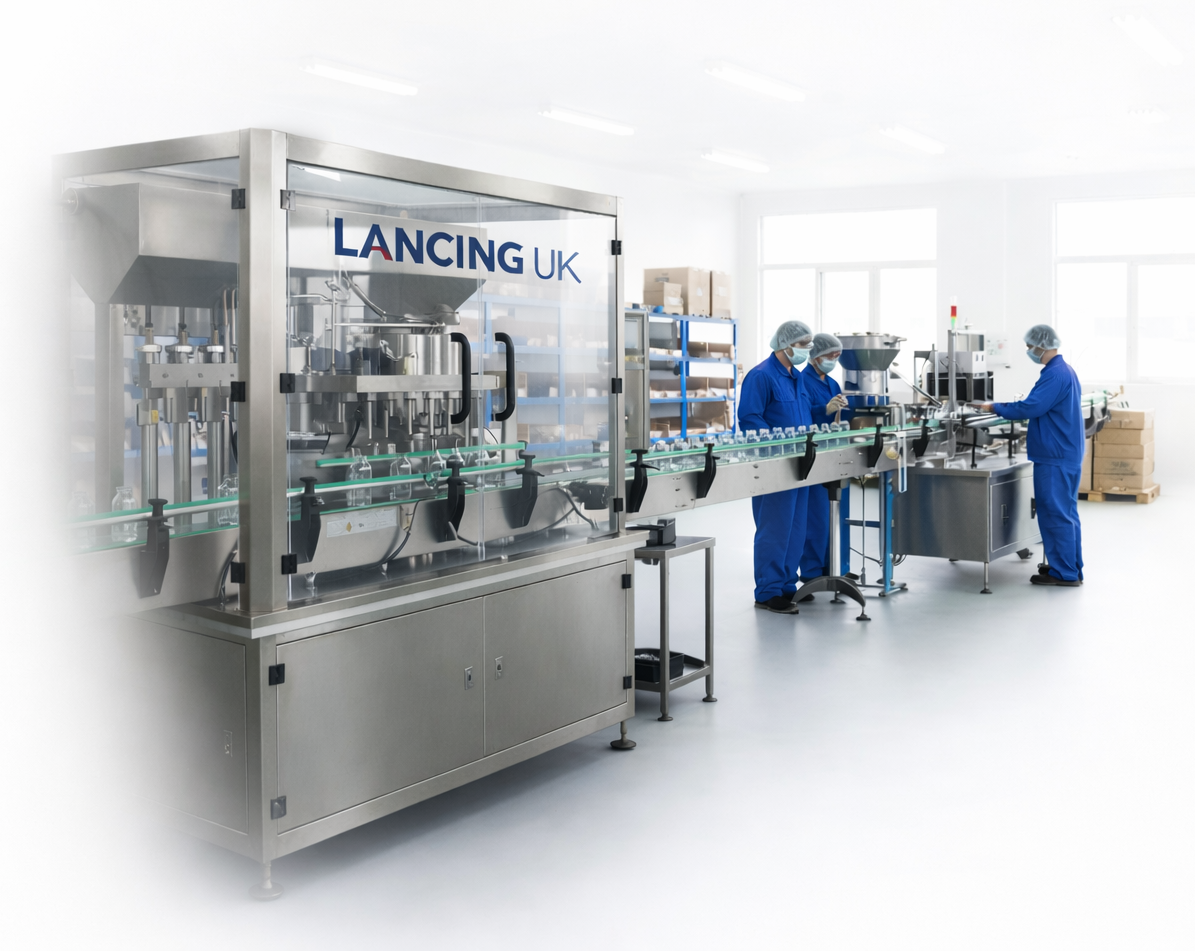
Start with what you need to pack, the output you need to achieve and the space available. We can then match the filling, closing, labelling, conveying and end-of-line stages to your operation.
Specify complete packaging lines for filling, capping, labelling, conveying and end-of-line handling with UK project support.
Learn more SolutionLiquid filling lines for bottles and containers, integrating filling, capping, labelling, conveying and packaging around product behaviour.
Learn more SolutionBottle packaging lines for rinsing, filling, capping, labelling, coding and finished-pack handling across plastic and glass formats.
Learn more SolutionPowder packaging lines for dosing, filling, dust control, sealing, labelling and end-of-line handling in jars, bottles, tubs or pouches.
Learn more SolutionPouch packaging lines for premade pouches or form-fill-seal projects, with dosing, sealing, coding, inspection and secondary packing.
Learn more SolutionLarge-container packaging lines for jerrycans, drums and heavy packs, integrating controlled filling, closing, labelling and handling.
Learn moreThe best machine at one stage cannot compensate for unstable transfers or poorly coordinated controls. Treat the complete line as one production system.
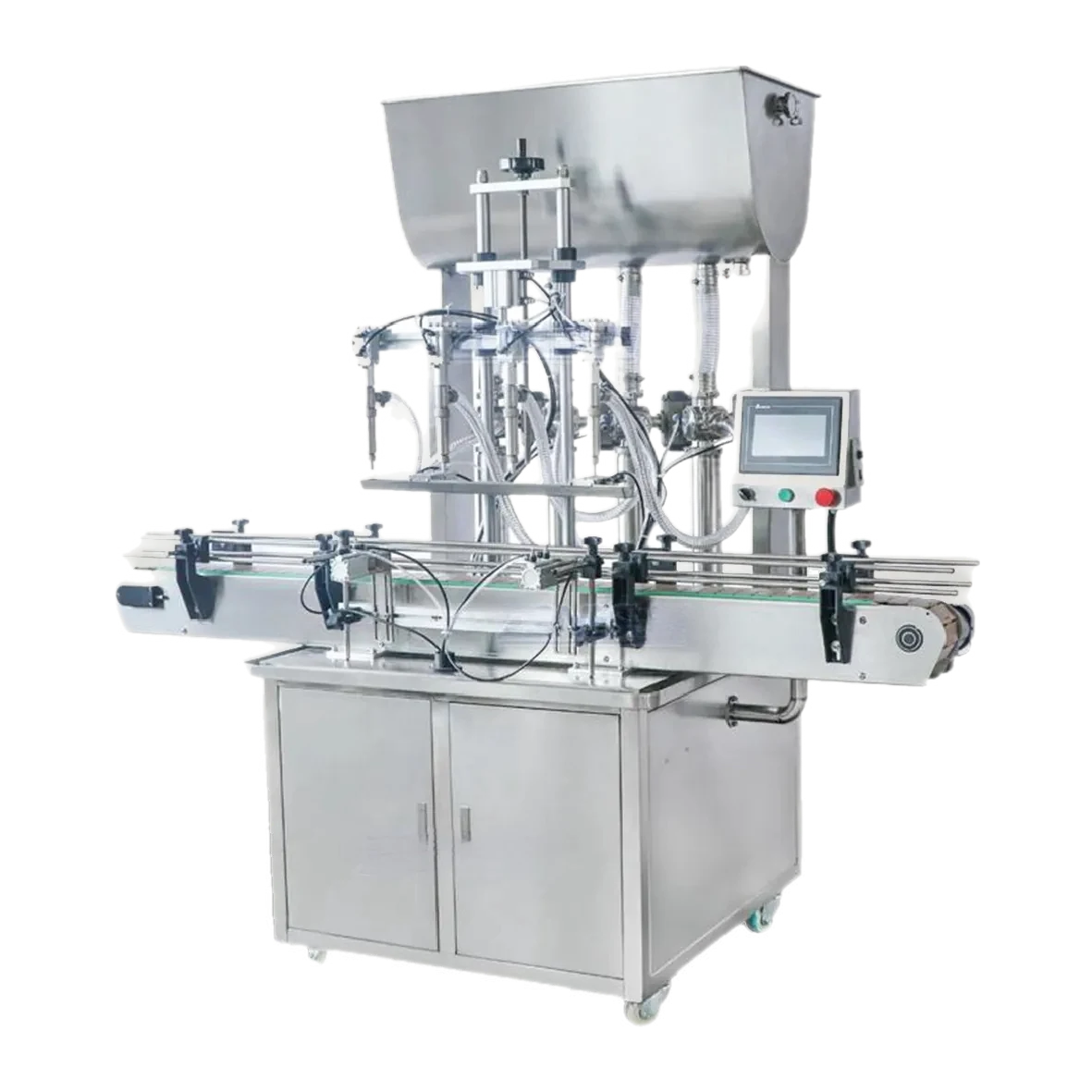 Stage 01
Match volumetric, flow, level, weight, piston, pump or auger methods to product behaviour and the required range.
Explore filling lines →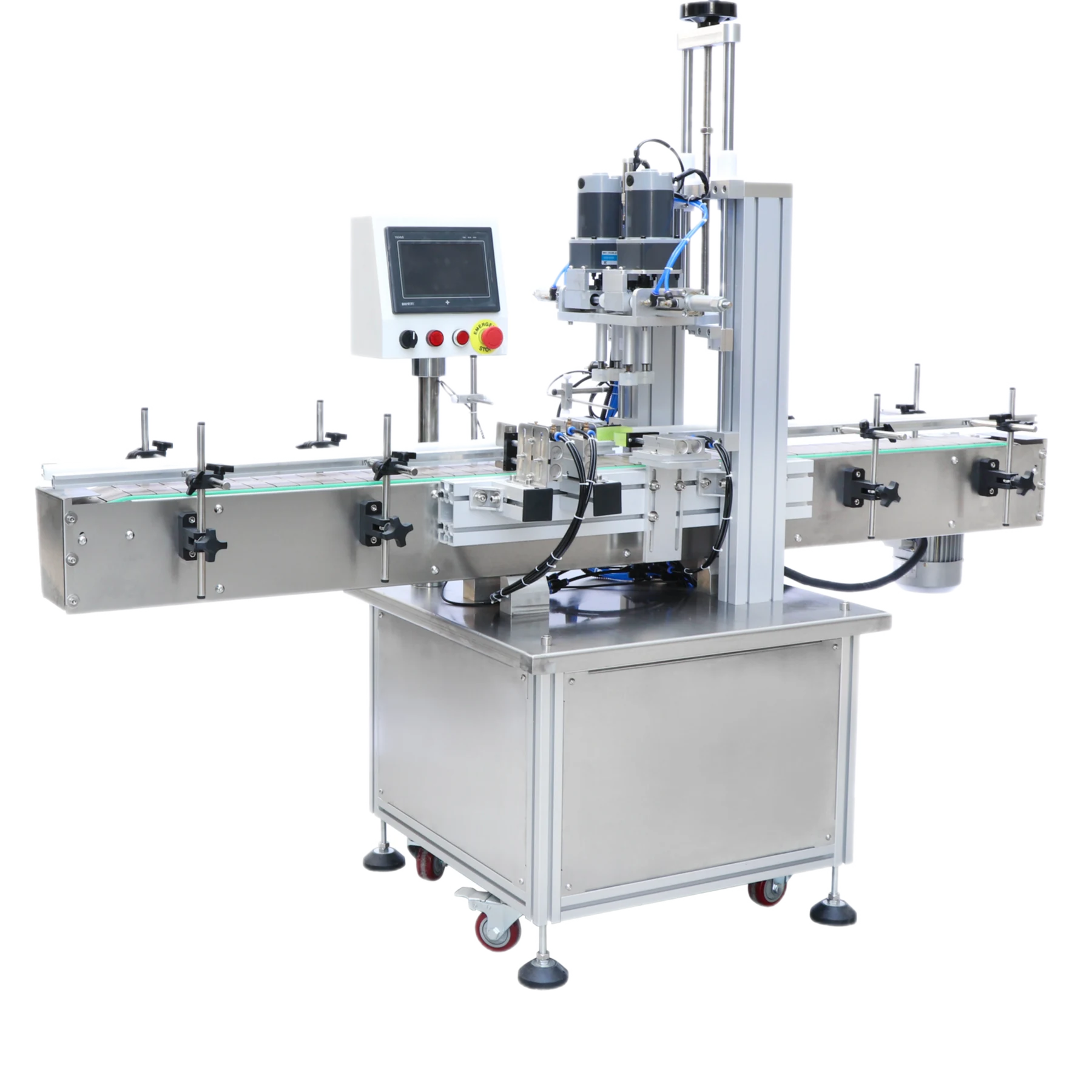 Stage 02
Control closure presentation, application, torque, seal integrity and difficult component combinations.
Explore line stages →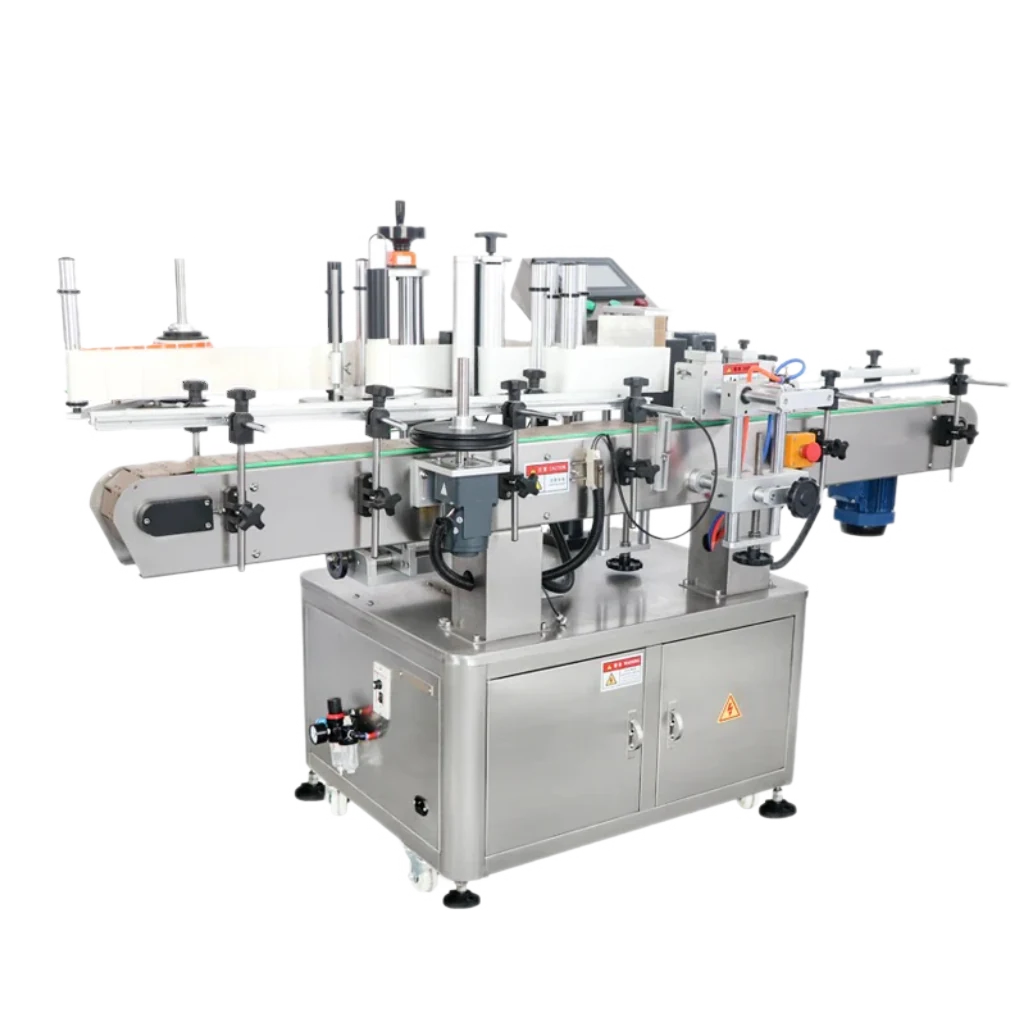 Stage 03
Create consistent product spacing, label placement, production coding, inspection and controlled rejection.
Explore labelling integration →
We coordinate speed, transfer, controls, operator access, safety and acceptance responsibilities before equipment reaches your production floor.
Representative products, packs and agreed evidence help resolve risk early, protect your investment and make handover more predictable.
Product, packs, good output, formats, quality, layout and commercial boundaries.
Process technology, transfers, controls, guarding, utilities and operator workflow.
Design reviews, product trials, FAT evidence, actions and delivery readiness.
Installation, SAT, training, documents, spares and lifecycle support.
Product behaviour, hygiene, compatibility, closure control and presentation all influence the right line design and how it should be tested.
Food and beverage packaging lines for filling, capping, sealing, labelling, conveying and end-of-line production with UK project support.
Learn more SolutionCosmetics and personal care packaging lines for creams, gels, lotions, oils, pumps, triggers, caps, labels and presentation-led packs.
Learn more SolutionChemical and household product packaging lines for compatible filling, closure control, labelling, conveying and finished-pack handling.
Learn more SolutionPharmaceutical and nutraceutical packaging lines planned around dosing consistency, controlled handling, labelling, traceability and documentation.
Learn more SolutionFlexible packaging lines for contract packers managing multiple products, formats, customers, changeovers and variable batch requirements.
Learn more SolutionOil and lubricant packaging lines for controlled filling, cap application, leak prevention, labelling and handling from bottles to jerrycans.
Learn moreReview examples of filling, capping, labelling, conveying and end-of-line machinery used to build practical packaging systems.

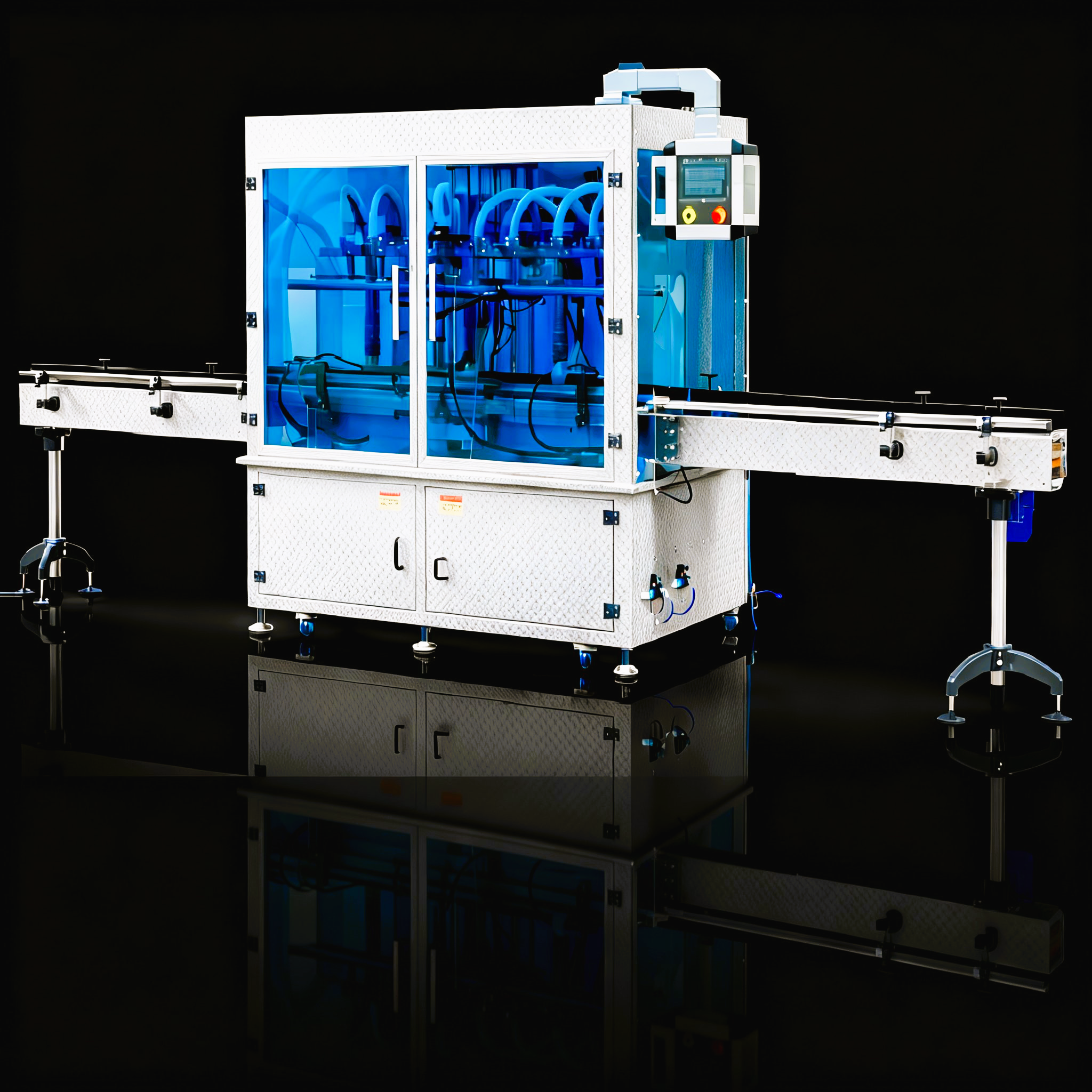
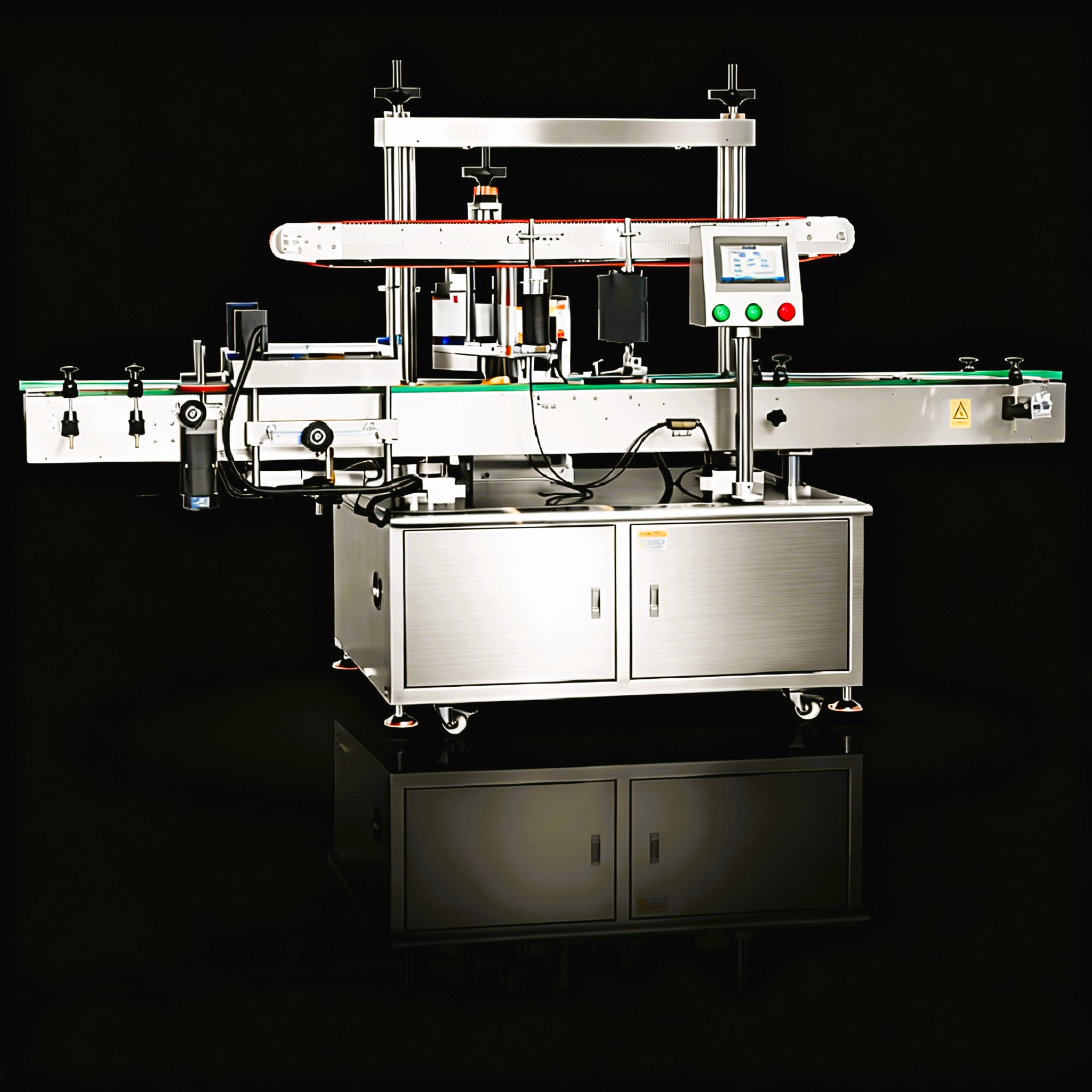
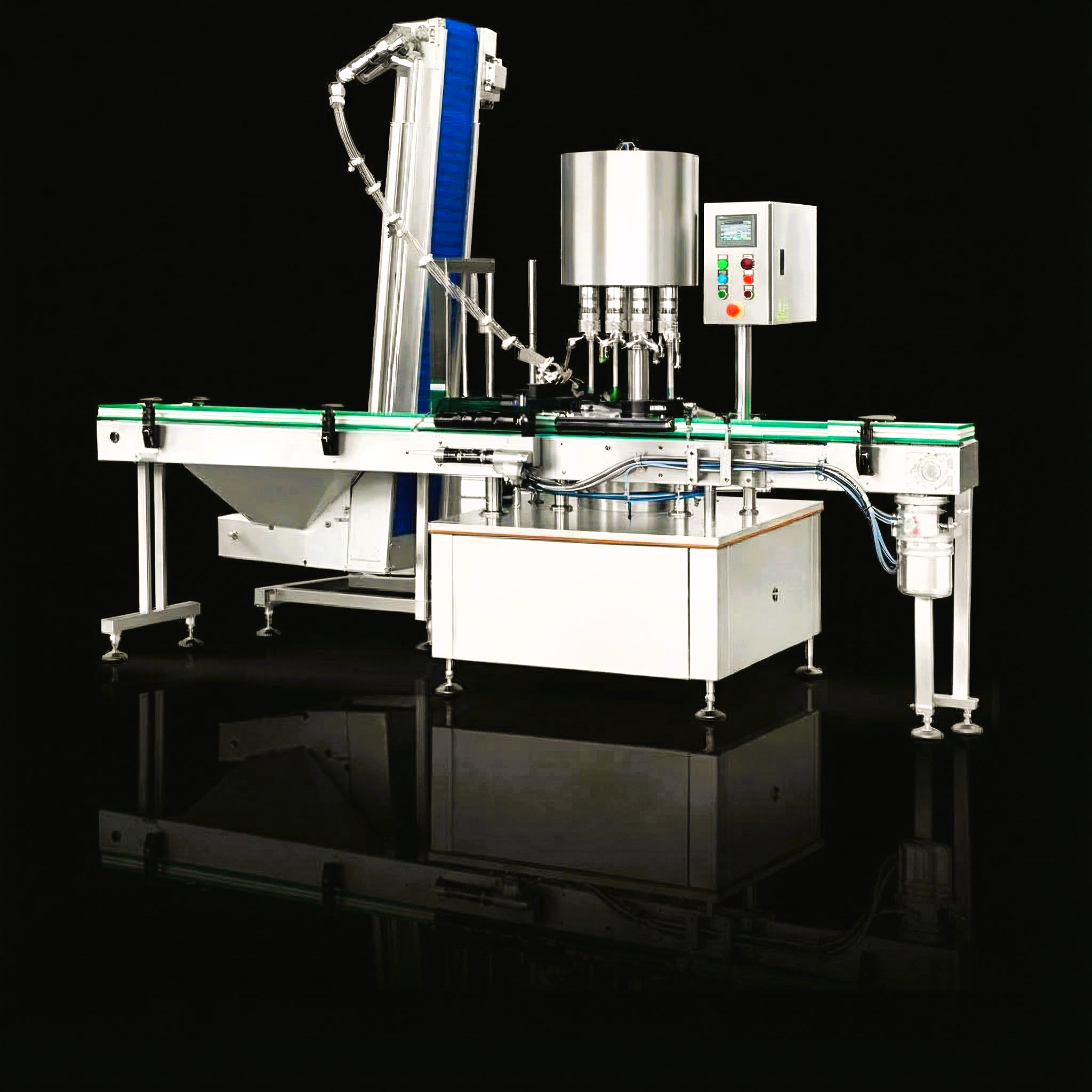
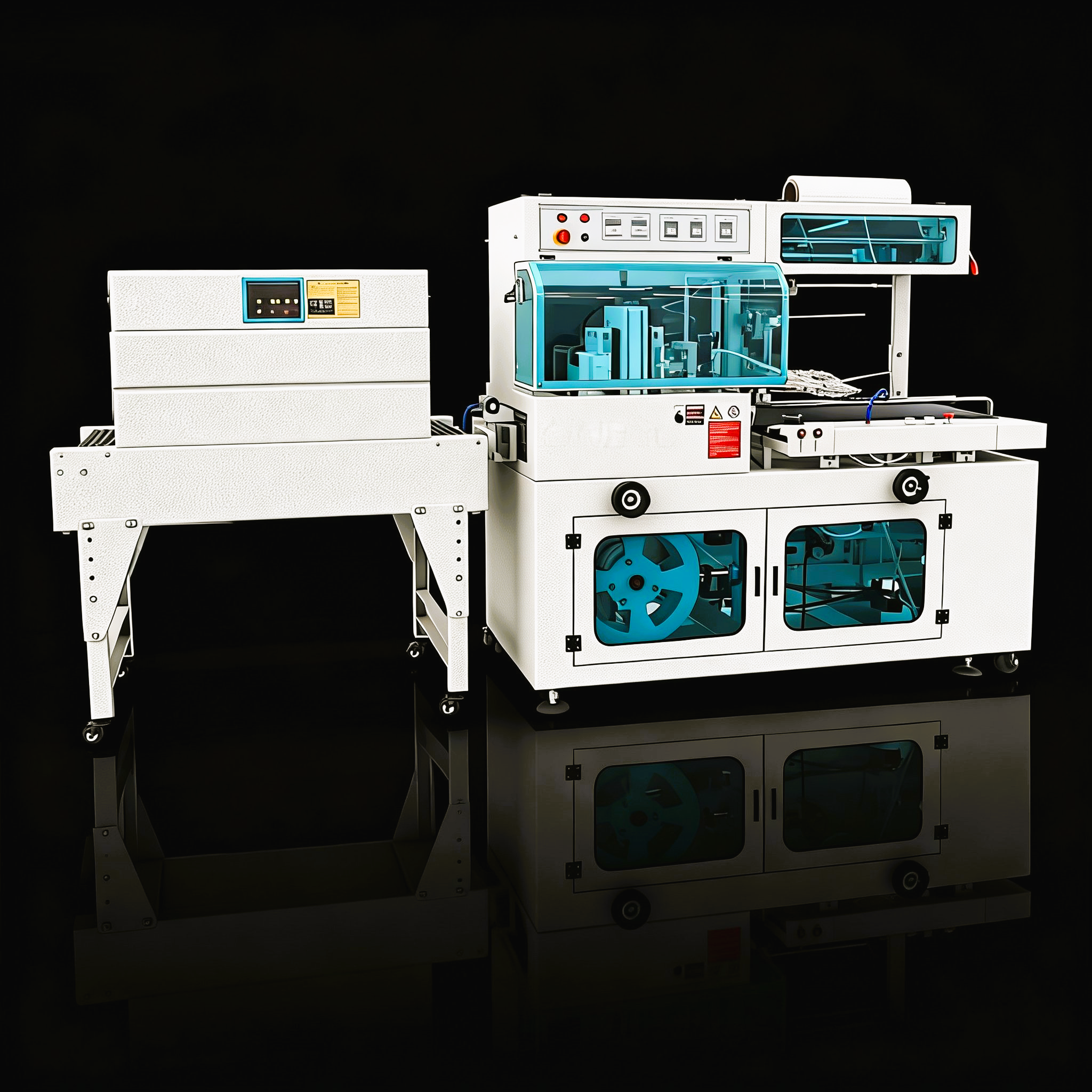
Watch practical guidance on choosing equipment, defining the project and keeping the line dependable.
A practical overview of the information needed to compare complete packaging line routes.
Watch on YouTube Project planningPlanning guidance focused on avoiding weak specifications and poorly matched line stages.
Watch on YouTube MaintenanceRoutine checks that support more dependable filling-line operation.
Watch on YouTubeUse the guides and checklists to define what the line must achieve before you commit to a supplier.
A practical complete packaging line buyer’s guide covering products, packs, output, automation, integration, testing, costs and supplier comparison.
Learn more Planning guideUse this packaging line specification checklist to document product, pack, output, quality, safety, utilities, layout, testing and support requirements.
Learn more Planning guidePlan a packaging line layout around material flow, operator access, guarding, utilities, maintenance, cleaning, accumulation and future expansion.
Learn morePackaging Lines UK is operated by Lancing Ltd in Thame, Oxfordshire, with more than 40 years of packaging-machinery experience.
Lancing Ltd
A complete line can include container feeding or rinsing, filling or dosing, capping or sealing, labelling, coding, inspection, conveyors, accumulation and end-of-line packing.
Send the product, fill or pack range, container, closure, label, target good output, batch pattern, available footprint and any existing equipment to be retained.
Often, after a survey confirms mechanical condition, working height, controls, guarding, documentation and whether its performance matches the new duty.
Yes. Project scope can include site readiness, installation coordination, commissioning, operator training, acceptance testing, spares and aftercare.
Compare sustained demand, batch size, changeovers, operator tasks, quality requirements, footprint, investment and the expected growth path.
A complete packaging line is easier to specify and compare when the production duty, equipment boundaries, site interfaces and acceptance evidence are recorded before individual machines are selected.
The starting point is the required saleable pack at the discharge of the line. That means describing the product, container or flexible pack, closure or seal, label and code, secondary packaging, batch pattern and the output that must be sustained during normal operation. The brief should also distinguish today’s format range from possible future formats so that space, controls and transfer decisions are not based on a single nominal pack.
Lancing can then review the complete route: infeed and preparation, filling or dosing, closing, labelling and coding, inspection, accumulation, end-of-line handling, utilities, operator activity and production handover. This line-level view keeps the project centred on the manufacturing result rather than treating each machine quotation as a separate purchase.
The exact stages vary by product and pack, but the interfaces between these four zones should be defined as one operating system.
Control incoming containers, pouches, closures and product supply so the first process stage receives stable, correctly presented materials.
Select the process around real product behaviour, the approved range and the cleaning or changeover duty.
Coordinate sealing or capping with label application, production coding, inspection and controlled rejection.
Use transfer, accumulation and end-of-line handling to protect useful output and give operators a workable production route.
A decision-ready brief does not need to contain every final setting. It should make the operating range, assumptions and unresolved tests visible.
| Project subject | What to record | Why it changes the line |
|---|---|---|
| Production duty | Products, pack formats, fill or pack range, batches, shifts and target good output. | Defines the real operating envelope and the level of automation to compare. |
| Materials | Representative containers, closures, labels, films, cases and the difficult ends of each tolerance range. | Exposes feed, transfer, sealing, capping and presentation risks before manufacture. |
| Layout | Measured footprint, access routes, retained equipment, operator positions, cleaning space and possible expansion. | Controls machine arrangement, conveyor route, guarding and service access. |
| Utilities | Available electrical supply, compressed air, extraction, water, drainage, product feed and data connections. | Prevents late site changes and clarifies the installation boundary. |
| Controls and quality | Run permissives, stop response, recipes, inspection, reject handling, coding and production records. | Defines how separate modules behave as one line and how quality evidence is retained. |
| Acceptance and support | Trial materials, FAT and SAT criteria, documents, training, spares and support expectations. | Creates a measurable route from design approval to production handover. |
PackagingLines.co.uk owns the complete-line scope, integration and handover decision. Detailed automatic-line selection is also available from Automatic Packaging Lines; specialist conveyor selection is covered by Packaging Conveyors; and individual machinery families can be reviewed through Packaging Automation UK. These resources support the project without duplicating the line-level specification here.
Send the product and pack range, target good output, layout information and any machinery that must be retained. The first review can then focus on the practical line route and the information still needed.
A useful packaging-line enquiry separates confirmed facts, supplier proposals, open questions and site responsibilities. That allows different line concepts to be compared against the same production duty rather than against different assumptions.
The evidence pack should develop with the project. Early information defines the range that the line must handle; later records prove that the selected design, interfaces and acceptance method still match that range. Keeping the information under revision control also makes it easier to understand why a layout, machine interface or test decision changed.
Do not delay an enquiry until every detail is known. Record what is confirmed, identify the owner of each open point and state the evidence needed to close it. This is more useful than filling gaps with nominal values that may later be treated as approved requirements.
| Decision point | Evidence to prepare | Decision it should support |
|---|---|---|
| Concept comparison | Product and pack matrix, current method, target good output, batch and shift pattern, quality checks and known space constraints. | Which process route, automation level and line sequence are credible for the real duty. |
| Design basis | Controlled samples or drawings, tolerance information, retained-machine data, measured site survey, material flow and available utilities. | Layout, working heights, transfers, operator tasks, service access and project battery limits. |
| Design review | General arrangement, interface register, utility schedule, controls philosophy, format list, change-part strategy and reviewed safety actions. | Whether the design information is sufficiently complete to authorise manufacture or integration work. |
| Factory trial and FAT | Approved trial materials, test protocol, measurement methods, witness roles, quality rules and controlled action process. | Whether representative operation has been proved and the equipment is ready for the agreed dispatch stage. |
| SAT and handover | Site-readiness evidence, connected utilities, actual interfaces, production materials, trained personnel, document revisions and open-action status. | Whether the installed line meets the agreed site acceptance and handover conditions. |
This evidence-led route supports a complete packaging-line project without duplicating specialist machine selection. Use the complete packaging lines page to define the overall scope, the packaging-line specification checklist to structure the brief and the FAT and SAT guide to plan measurable acceptance.
Send the confirmed product and pack range, required good output, available layout information and the open questions that could change the design. Lancing can then help identify the next evidence needed for a useful line review.
Use the technical guides to define performance, interfaces, trials, quality and handover evidence before those topics become late project changes.
A strong packaging-line enquiry does not need a finished user requirement, but it should expose the decisions that can change the equipment sequence, footprint, controls, quality method and acceptance evidence. Begin with the product and pack range, required saleable output, current production losses, available space, retained machinery and the point at which the project must be operational.
Use the engineering resources below to investigate the issue most likely to control the result. The guides are written for complete-line decisions: each connects the machine, interface, operator, quality and handover implications rather than treating a specialist component in isolation.
Define good output, trace losses and identify the constraint before sizing a new line or modifying an existing one.
Plan the measurementSpecify line states, handshakes, recipes, stop behaviour and controlled recovery across connected machinery.
Define the controls philosophyChoose representative operating extremes and retain evidence that supports design, FAT and site acceptance.
Prepare trial samplesConnect the quality rule, inspection position, pack tracking, physical rejection and containment response.
Plan the quality functionDefine the as-installed drawings, software, settings, training and acceptance records needed after SAT.
Build the handover packExplore troubleshooting, training, cleaning, traceability, safety and the wider complete-line planning library.
Open the guide libraryShare confirmed facts and mark unknowns clearly. Lancing can then identify whether the next step is a layout review, sample trial, interface definition, production measurement or acceptance plan.
These questions help buyers separate the production result, material evidence and project boundary before comparing line concepts. The answers link to deeper guides where the decision needs more than a short explanation.
Start with the product, finished pack, required saleable output, current production method, available space and the reason for change. Mark unknowns openly and identify the samples or trials needed to close them. An incomplete but controlled brief is more useful than guessed specifications because suppliers can separate confirmed duty from assumptions.
Provide the reference format and the difficult ends of the range: unstable containers, the smallest and largest openings, demanding closures, awkward labels, variable pouches and representative secondary packs. Include filled samples where weight, centre of gravity, surface residue or temperature changes handling. The sample set should challenge the complete route, not only the filler.
Compare how each concept handles material variation, short stops, blocked and starved states, changeovers, quality failures, replenishment and maintenance access. A robust concept explains its assumptions, interfaces and recovery behaviour and can be tested with representative conditions. More machines, higher headline speed or more automation do not by themselves prove a more reliable line.
Agree the line boundary, product and format range, output definition, automation level, retained equipment, site location and the evidence available for product handling. A budget can still contain ranges and options, but the assumptions must be visible so later proposals can be compared without treating different scopes as the same project.
Use the deeper guides to prepare the product, pack, interface and acceptance information needed for a useful engineering review.
The quickest route to a dependable project is to keep the production duty, scope, design decisions, line balance and site-release evidence connected. These guides answer the questions that normally sit between a machinery shortlist and a controlled order.
Build a responsibility matrix for equipment, interfaces, site work, testing and handover.
Open the scope guideDesign approvalReview layout, controls, safety, utilities and open actions against one revision.
Open the design-review guidePerformanceInclude pack behaviour, manual work, buffers, quality losses and recovery.
Open the line-balancing guideSite deliveryUse controlled gates from installation completion to stable supported production.
Open the commissioning guideShare the product, pack, format range, required good output, available space, existing equipment and current project stage. Lancing can help identify the next evidence needed before machinery, integration or testing decisions are fixed.
These guides cover three decisions that buyers often need before design, regulated qualification or final acceptance can be controlled.
Define intended output, quality, scope, interfaces, utilities, controls and acceptance evidence.
Open the URS guideQualificationPlan installation, operational and performance evidence for the applicable quality system.
Open the qualification guideTraceabilityKeep supplier responses, changes, deviations and final evidence connected to one controlled need.
Open the traceability guideShare the product, pack range, required good output, site information and current documentation. Lancing can help identify whether the next step is a URS review, product trial, interface definition, acceptance plan or qualification discussion.
Ask for a complete product-flow plan covering machine interfaces, transfers, accumulation and operator work. Define accepted output and the formats used for the line trial. Include controls, changeover, fault recovery and service access in the scope, with responsibilities for installation and final acceptance clearly assigned.
Related guidance:
A packaging line should be considered against the sequence of work it will perform. List the products, pack formats and normal batch sizes in production order, then mark cleaning, component replenishment and quality-release steps. This schedule exposes requirements that a simple list of machines may miss, especially where several products share the same equipment.
Define the start and finish of the line project. The starting point might be empty containers, bulk product or a partly processed pack; the finishing point might be a labelled unit, sealed case or a transfer to pallet handling. State which stages are supplied, retained or carried out manually. Each boundary needs an owner and an agreed handover condition.
Once the operating scope is clear, identify what must be demonstrated before acceptance. Keep good output, pack quality, changeover and recovery evidence separate so the project result is understandable. A strong trial plan explains both what was proved and which future formats or site conditions remain outside the evidence.
Similar machine stages may appear in different projects, but product behaviour, packaging, cleaning, safety and acceptance requirements still need an application-specific review.